
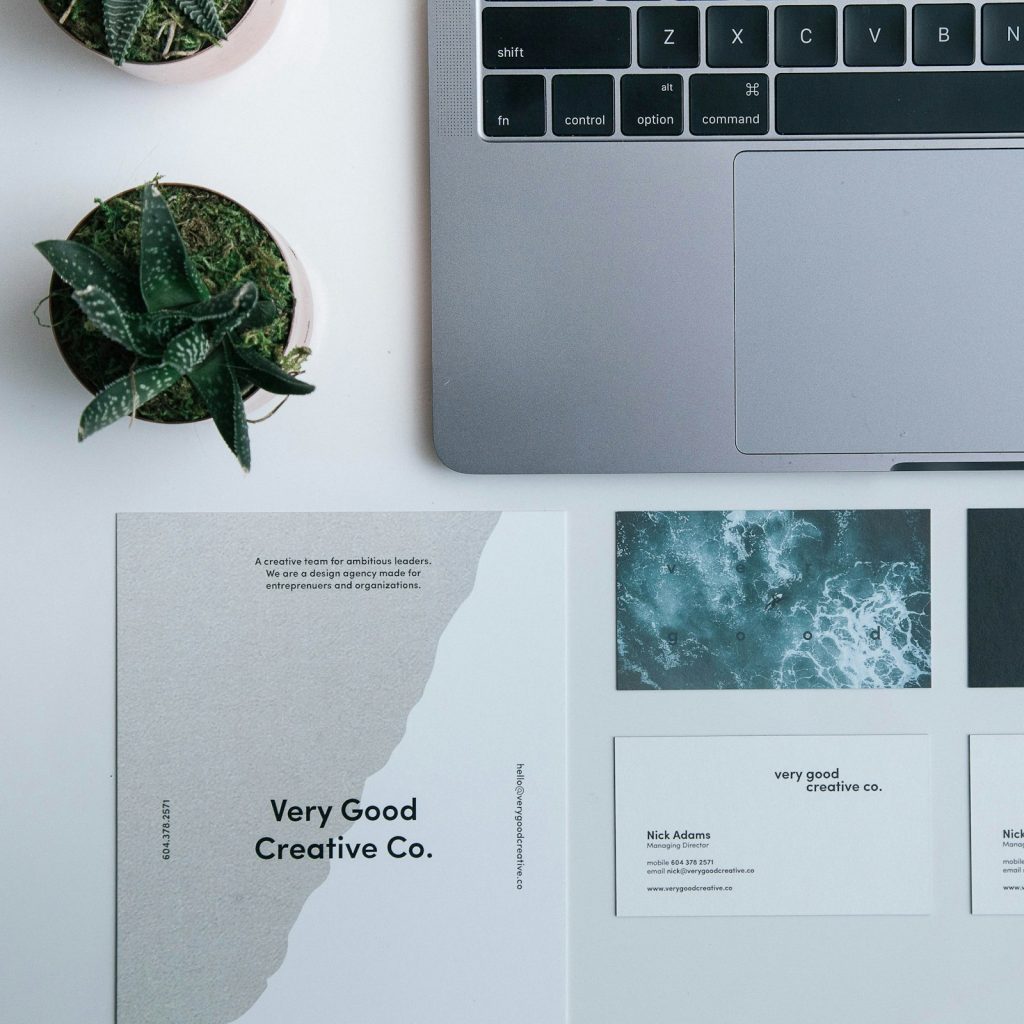
Small business owners often think of branding as a logo ordered once from a designer they know. Then it turns out that the shop sign, the Instagram page, the price list and the business cards look as if they belong to four different companies, and ad layouts have to be reinvented every time. Below is a step-by-step plan that helps you build branding in Dushanbe without unnecessary spending and see the first results quickly.
Why a small business needs a systematic brand
- You are easier to remember and choose. When colours, fonts and manner of speech repeat from one touchpoint to the next, customers recognise the company faster and hesitate less.
- Advertising performs more evenly. Creatives built on shared rules are easier to test and scale, and the results become more predictable. Promotion on this basis is a job for digital marketing.
- The brand is recognisable everywhere. Shop sign, packaging, Stories, radio spot: everything speaks with one voice.
- Fewer arguments and redos. With a style guide, you do not have to debate which font to choose every time: the rules are already written down.
Five launch steps
Step 1. Define who you are and what sets you apart
Without positioning, any visual will be random. Answer three questions:
- What do you do, for whom, and why you specifically? Boil the answer down to one sentence using the formula “We do X for Y because Z”.
- Who are your one or two main audiences, and what worries them?
- Which two or three words should people associate with you, for example “fast”, “honest”, “homely”?
If you need an outside perspective and someone to facilitate a working session, you can bring in branding specialists.
Step 2. Tune your brand voice
Tone of communication matters as much as the logo. Draw up a short vocabulary: which words suit you and which are off-limits. Write a few samples: a line for the website, a post, a notice on the shop door. Separately, describe how staff greet people on the phone and respond to customer objections.
Step 3. Build a visual system
- Logo in several versions: horizontal, vertical, single-colour.
- Palette: one main colour and a few secondary ones, plus contrasting combinations for buttons.
- Fonts for headings, body text and accents, supporting Cyrillic and Tajik letters.
- Modular templates for a product card, banner, post, Stories and outdoor advertising.
Producing layouts and videos based on the finished system is a job for production.
Step 4. Put the rules into a guideline
A style guide does not have to be thick, but it should answer practical questions:
- how to place the logo: clear space, minimum size, unacceptable versions;
- colour codes, permitted combinations, how buttons and links look;
- photo and illustration style, mood, things to avoid;
- tone of copy and sample messages;
- sample media: business card, packaging, banner, Stories, email template.
Step 5. Roll out the brand in the first six weeks
- Replace avatars and covers on social media, and update the website header.
- Bring menus, price lists, forms and documents into a single style.
- Prepare a starter set of creatives: a few banners and a short video.
- Launch a small ad campaign with the new materials; retargeting and geotargeting work well for testing your first hypotheses.
Timing, budget and order of work
A basic launch for a small company takes a few weeks: positioning first, then visuals, guideline and roll-out. A sensible starter kit includes positioning, a core identity, a short guide and a set of templates for the website, banners and social media. It is worth expanding the system when your range grows, you enter new districts or channels, or add outdoor and print. Everything can be done in stages, which makes costs easier to spread.
Where beginners go wrong
- They start with the logo without understanding what it should express.
- They use too many colours, and the system sprawls.
- They do without a guideline, and every contractor does things their own way.
- They copy well-known brands and lose as soon as the customer sees the original.
- They create a logo and stop there, although a brand only lives in its media and everyday communication.
Checklist before you start
- Your positioning fits into one sentence.
- Key audiences and their needs are described.
- There is a description of tone and sample messages.
- Logo, colours, fonts and templates are approved.
- The guideline is compiled into a single file.
- Social media and the website are updated.
- A set of banners and a short video are ready.
- A test campaign has been launched.
- Every task has an owner and a deadline.
- Metrics are chosen: ad CTR and CPA, direct visits and branded search, saves and shares, enquiries.
Frequently asked questions
The budget is minimal. Where should I start? With positioning and a minimum set: a simple logo, palette, fonts, and templates for social media and banners.
Do I need a full guideline? Yes, even a compact one. You can always expand it as you grow.
When should I expect results? The first signals usually show up in ad metrics once the new creatives have been running for a while; compare CTR and CPA with previous campaigns.
If you would like to discuss your company’s brand and get a phased estimate, write to the SKY Central Asia team via the contact page or explore our content and PR services.


Leave a comment