
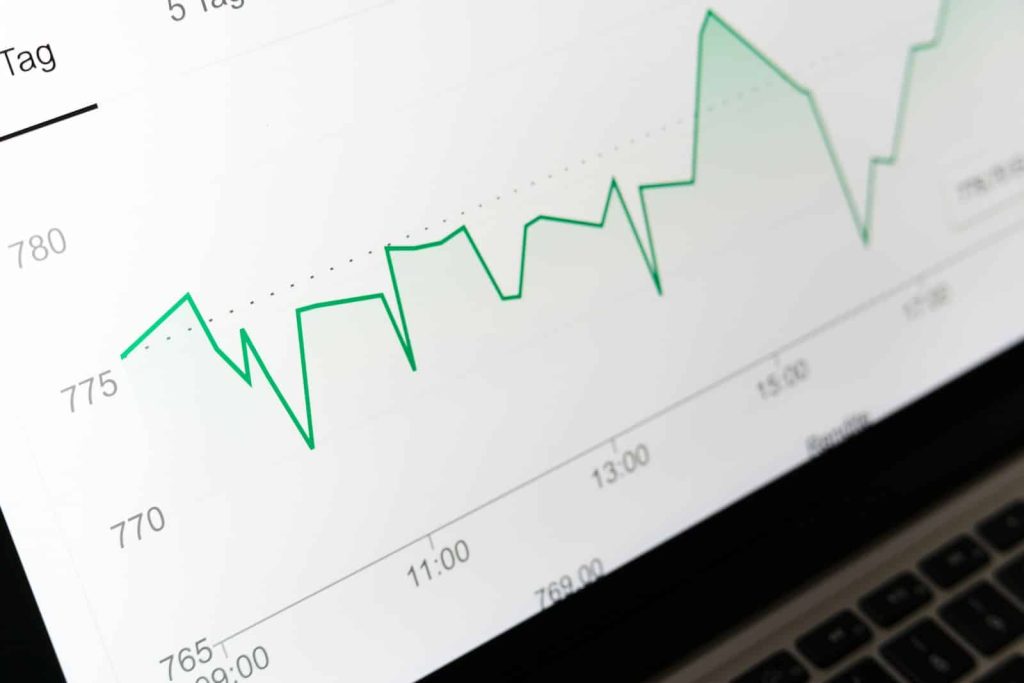
The core idea of performance marketing fits in one sentence: the budget is spent on actions that can be counted. An enquiry, a purchase, a call, a sign-up: each of these events is tracked, and its cost is known. Below is how this approach works and when it suits a business.
Two approaches to advertising
A TV spot, a roadside billboard or a radio slot solve an awareness task: people need to remember the brand. Tracing how many sales a particular billboard brought in is almost impossible.
In the performance model, the path of every somoni is transparent. Say an ad generated 30 clicks, five visitors submitted an enquiry and two of them bought. The whole chain is visible, and you know exactly what each customer cost.
The metrics you need to know
- CPA (cost per action): what one target action costs, such as an enquiry, sign-up or order.
- CPL (cost per lead): the price of one prospective customer’s contact details.
- ROAS (return on ad spend): how many somoni of revenue each somoni invested in advertising brings back.
- CPC (cost per click): the cost of one click.
- CR (conversion rate): the share of visitors who completed the desired action.
Where performance works
Social media targeting
Instagram, Facebook, Telegram Ads. Audiences are selected by age, interests and behaviour, and campaigns are optimised for conversions, paying for impressions or clicks.
Paid search advertising
Google Ads and Yandex Direct show your ad to people who are searching for your product or service right now. This audience has already formed an intention to buy, so conversion rates here are usually high.
Affiliate and CPA networks
The partner is paid only for a confirmed sale or enquiry. No result, no payment, so the risk for the advertiser is minimal.
Repeat impressions
Retargeting reaches people who have already visited your site or interacted with your content. They know you, so they respond more readily than a cold audience.
Is it right for your business?
The approach comes into its own when your sales funnel is in place, you know your margin and acceptable customer acquisition cost, and management expects a predictable return. Typical examples are online shops, services with online booking and B2B companies that take enquiries through their website.
It works less well if nobody knows the brand yet, if the product is complex and a deal takes months to close, and in categories where people first need to build trust before they pay.
Why performance runs out of steam without brand building
Setting performance against branding is a common mistake. Brand campaigns create awareness and trust, and performance turns them into enquiries and sales. They are two links in the same chain.
If you invest only in “pay for results”, the cost per customer gradually starts to rise. The warm audience that already knows the brand runs out, and attracting strangers is noticeably more expensive.
First steps
Choose one target metric: an enquiry, a call or a purchase. Set up analytics: Google Analytics, Yandex Metrica and the advertising platforms’ pixels. Set aside a test budget and let the campaign run for at least two to three weeks to gather data. Then analyse the results and adjust the settings.
We explain how to calculate returns properly in our article on calculating CPA, ROI and LTV for advertising in Tajikistan.
The bottom line
Performance marketing depends on discipline: properly configured analytics, patience during testing and regular work with the numbers. In return, it delivers what every business needs: a steady flow of enquiries at a clear price.
If you want to launch pay-for-results campaigns, see how SKY Central Asia approaches digital marketing, from strategy and setup to day-to-day optimisation. An overview of all the agency’s online tools is in the digital services section.


Leave a comment